Your specialist for stomach surgery – Surgery & Endoscopy Centre 1160
Expertise
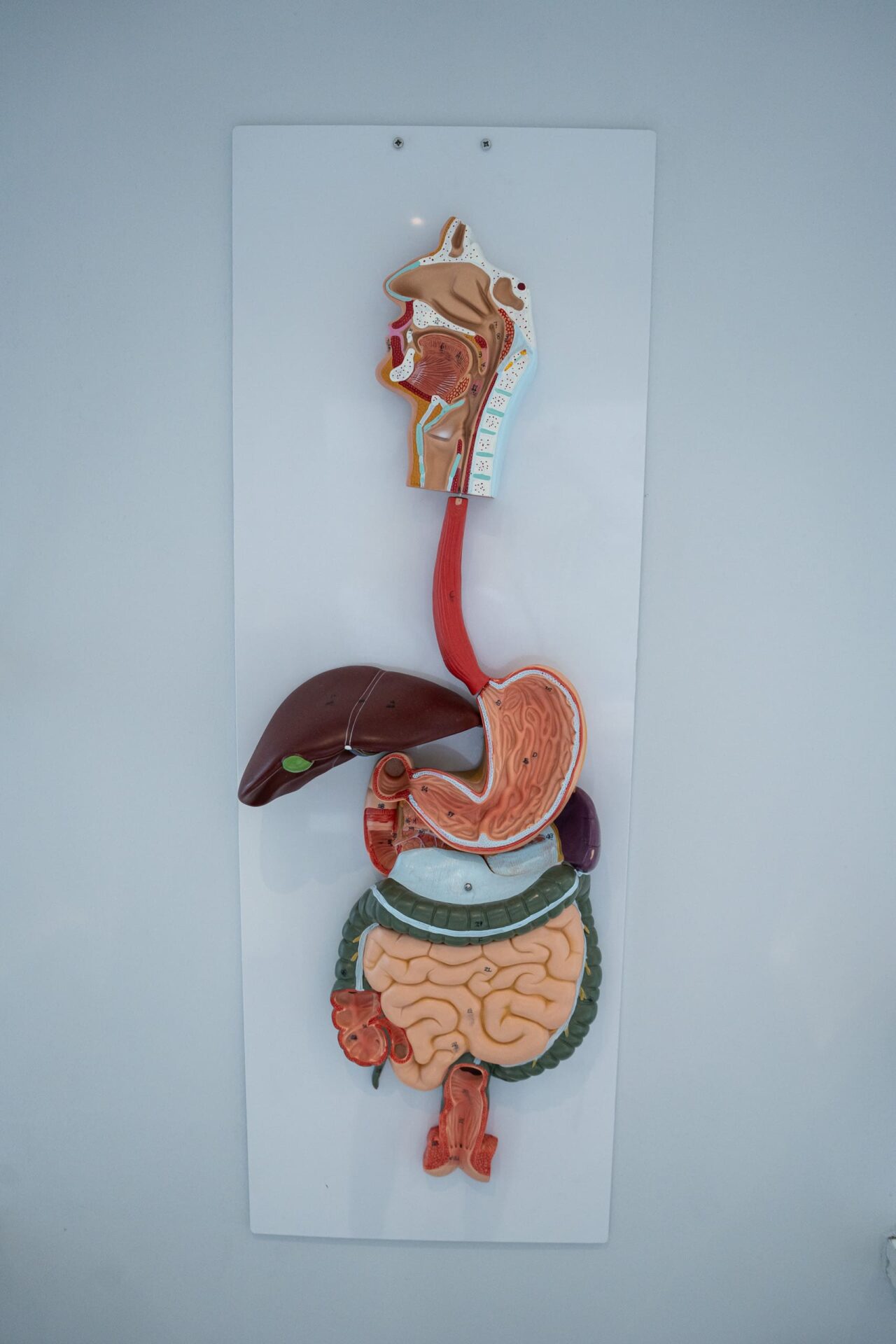
Conditions affecting the stomach can have many different causes – from chronic gastritis to stomach ulcers or tumours. In some cases, medication is no longer sufficient – targeted stomach surgery may then be necessary to relieve symptoms and prevent serious complications.
At the Surgery & Endoscopy Centre 1160, Dr Bernd Weiner is your point of contact for stomach surgery at the highest medical level. As an experienced stomach specialist in Vienna, he offers you comprehensive diagnostics, personal care and tailored surgical treatment – outpatient or inpatient, as required.
With us, you will meet an experienced team that supports you with medical precision and human warmth.
What types of stomach surgery are there?
Depending on the condition, different forms of stomach surgery are used. These include:
- Minimally invasive procedures for stomach ulcers, chronic gastritis or hiatal hernias
- Fundoplication for reflux disease – to strengthen the muscle at the base of the oesophagus
- Partial removal of the stomach (gastrectomy) for tumours or serious conditions
- Gastric sleeve or gastric bypass surgery as part of bariatric surgery
- Treatment of stomach polyps or bleeding
- Surgical management of complications following stomach surgery
In many cases, stomach surgery today is performed laparoscopically, i.e. minimally invasively – for a shorter recovery time, less pain and better cosmetic results.
When does stomach surgery become necessary?
Stomach surgery is generally only recommended when other treatments are no longer sufficient or fail to bring lasting improvement. The most common reasons include:
- Chronic stomach ulcers that do not respond to medication
- Suspected tumour or stomach cancer
- Complications from reflux, such as chronic inflammation or Barrett’s oesophagus
- Bleeding or perforation (e.g. with an ulcer)
- Obesity, where surgical intervention is medically necessary
Every decision is preceded by a thorough assessment – for example, a gastroscopy in Vienna – to determine the necessity and the best method of surgery.
As an experienced stomach specialist and surgeon in Vienna, I take the time to assess your situation as a whole and to plan the best course of treatment together with you.
Why choose stomach surgery with Dr Weiner at the Surgery & Endoscopy Centre 1160?
At the Surgery & Endoscopy Centre 1160, you can expect competent care from an experienced specialist in stomach surgery – personal, precise and at the forefront of medicine.
Your benefits:
- Individual consultation at our practice in Vienna 1160
- State-of-the-art diagnostics including gastroscopy in Vienna to assess your symptoms
- Gentle surgical techniques for a quick recovery
- Many years of experience in surgical gastroenterology
- Seamless aftercare at our practice
Whether outpatient or inpatient – I personally support you from the first consultation through to full recovery.
How does stomach surgery work?
The procedure depends on the type of condition and the surgical method chosen. In most cases, stomach surgery is performed minimally invasively. You are given a general anaesthetic, and the procedure is carried out through small incisions with the aid of a camera.
How long is the recovery time after stomach surgery?
Recovery time varies depending on the procedure. After laparoscopic operations, many patients can resume everyday activities within just a few days. For more extensive procedures, such as partial removal of the stomach, recovery takes correspondingly longer.
What requirements do I need to meet for stomach surgery?
Before any stomach surgery, your treating doctor carries out a thorough diagnosis, often supplemented by a gastroscopy or imaging procedures. Your general state of health also plays a role. For bariatric surgery, certain BMI thresholds and preliminary examinations must be taken into account.
Is a gastroscopy always necessary before the operation?
As a rule, yes – a gastroscopy in Vienna provides important information about the stomach lining, any inflammation, tumours or other changes, and is therefore essential for planning the operation.
Can I eat normally after the operation?
This depends on the type of stomach surgery. After smaller procedures, you can usually eat normally again within a few days. After partial removal of the stomach, food intake is resumed gradually in adjusted portions – you will receive detailed guidance on this.
Consultant Dr Bernd Weiner, MBA
Specialist in General and Visceral Surgery
Dr Bernd Weiner studied medicine at the Medical University of Vienna and completed his specialist training at the Surgical Department of the Göttlicher Heiland Hospital in Vienna under Head of Department Dr Viktor Grablowitz. Further stages of his career took him to the University Clinics for Surgery in Heidelberg and at the AKH Vienna, before he spent many years as a Senior Consultant at Krankenhaus Göttlicher Heiland Wien, where he headed the hernia and reflux surgery department. Today, he is the founder and director of the Surgery & Endoscopy Centre 1160 Vienna, specialising in hernia, reflux, visceral, and endoscopic surgery.
Member of the Austrian Society of Surgery (ÖGCH), the Austrian Society of Gastroenterology and Hepatology (ÖGGH), the German Hernia Society (DHG), and the German Hernia Care Society (DHCH).