
Modern Hernia Surgery at the Surgery & Endoscopy Centre 1160
Expertise
Hernias are ruptures of the abdominal wall and should be treated at an early stage to avoid symptoms and complications. Whether an inguinal hernia, umbilical hernia, incisional hernia or hiatal hernia – a targeted diagnosis and hernia surgery are essential to prevent long-term symptoms.
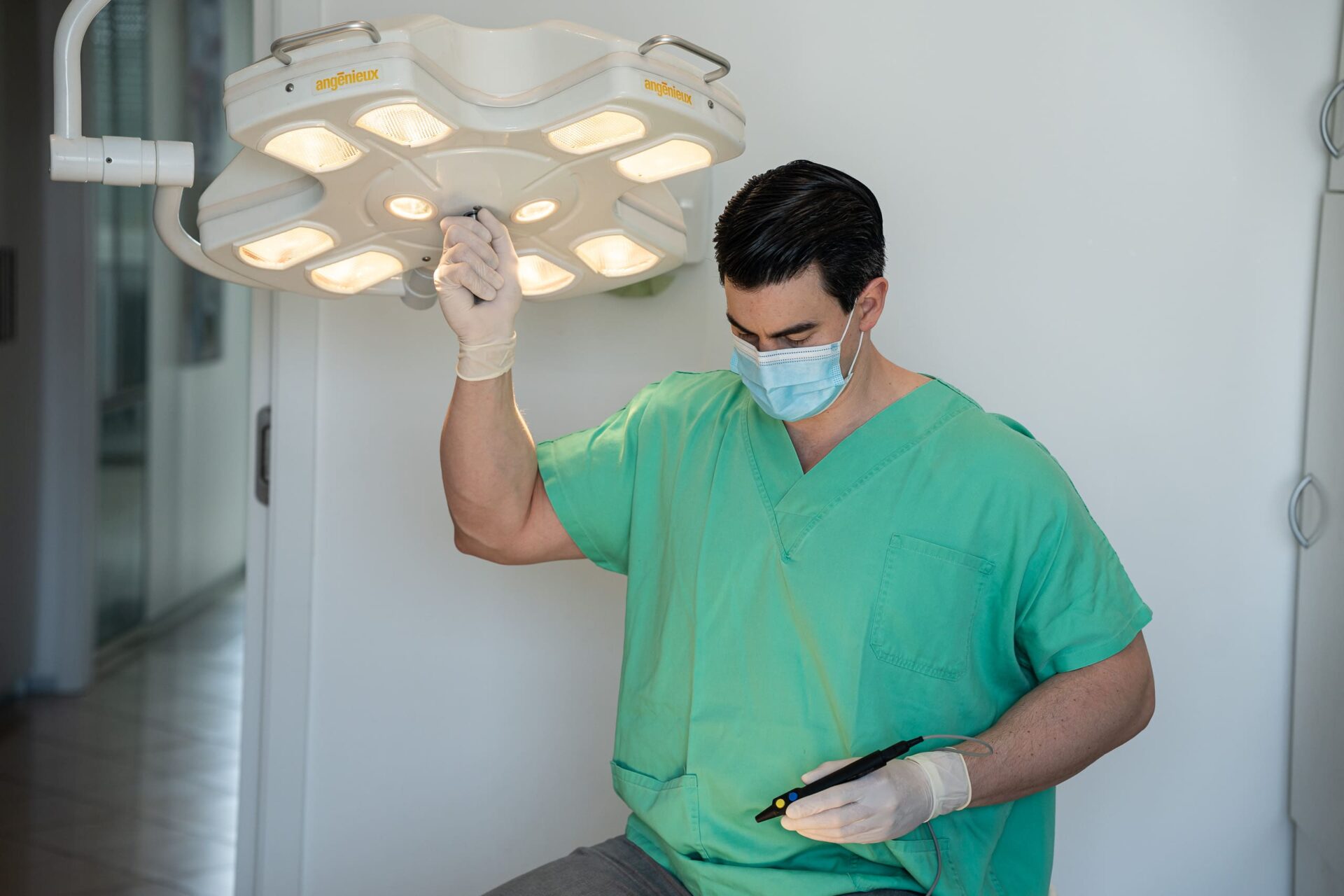
At the Surgery & Endoscopy Centre 1160, I, as an experienced specialist in hernia surgery, offer the most advanced hernia operations. Depending on the type and severity of the hernia, I select the best technique – minimally invasive or open – to ensure a swift recovery and long-term stability.
At our Surgery & Endoscopy Centre 1160, you benefit from individual care as well as comprehensive aftercare for the best possible treatment outcomes from Dr Bernd Weiner and his team.
What Are Hernias?
A hernia (rupture) occurs when abdominal organs or tissue push outwards through a gap or weak point in the abdominal wall. The most common forms are:
- Inguinal hernia – occurs in the groin area and is the most common form
- Umbilical hernia – occurs near the navel
- Incisional hernia – develops at a previous surgical scar
- Hiatal hernia – abdominal organs can push upwards into the chest cavity through a gap in the diaphragm
Symptoms of a hernia can include pain, a feeling of pressure or a visible bulge in the affected area. If left untreated, a hernia can grow larger and, in the worst case, become strangulated, requiring emergency hernia surgery.
When Should Hernia Surgery Be Performed?
In most cases, hernia surgery needs to be performed, particularly when:
- The hernia is causing symptoms or pain
- The bulge is increasing in size
- Strangulation occurs (emergency!)
- The hernia contents (e.g. sections of bowel) can no longer be pushed back
Hernia surgery can be performed either minimally invasively (laparoscopically) or as an open procedure. Modern mesh techniques are used especially for inguinal hernia surgery or an abdominal wall hernia to minimise the risk of recurrence.
As a hernia surgery specialist, I assess individually which surgical method is best for you.
Why Choose Treatment with Dr Weiner at the Surgery & Endoscopy Centre 1160?
Hernia surgery should be performed by an experienced specialist, as choosing the right technique is crucial for the healing process. In my practice, I offer you:
- Individual consultation & comprehensive diagnostics for targeted treatment
- Minimally invasive techniques for faster recovery and reduced scarring
- Many years of experience in hernia surgery for maximum safety
- Personal care with no long waiting times
- Detailed aftercare for optimal healing
Most hernia operations require an inpatient stay, particularly when general anaesthesia is required. Smaller procedures or certain diagnostic examinations, however, can be performed on an outpatient basis in my practice.
How does hernia surgery work?
Depending on the size and type of hernia, the procedure is carried out minimally invasively (laparoscopically) or as open surgery. In both cases, the hernia site is reinforced, often with a synthetic mesh, to prevent recurrence.
What risks are involved in hernia surgery?
As with any surgical procedure, there are risks such as infections or bruising. However, modern hernia surgery reduces the risk of complications to a minimum.
What happens with a hiatal hernia?
A hiatal hernia can lead to heartburn, difficulty swallowing or breathing problems. If medication is not sufficient, hernia surgery can help restore the natural position of the organs.
Is an umbilical hernia dangerous?
An umbilical hernia is usually harmless, but should be operated on if it causes symptoms or gets larger. If it becomes trapped, emergency surgery may be required.
When can I go back to work after inguinal hernia surgery?
Recovery time varies depending on the surgical method. After minimally invasive inguinal hernia surgery, patients are often fit to work again after 1–2 weeks; with open procedures, it can take a little longer.
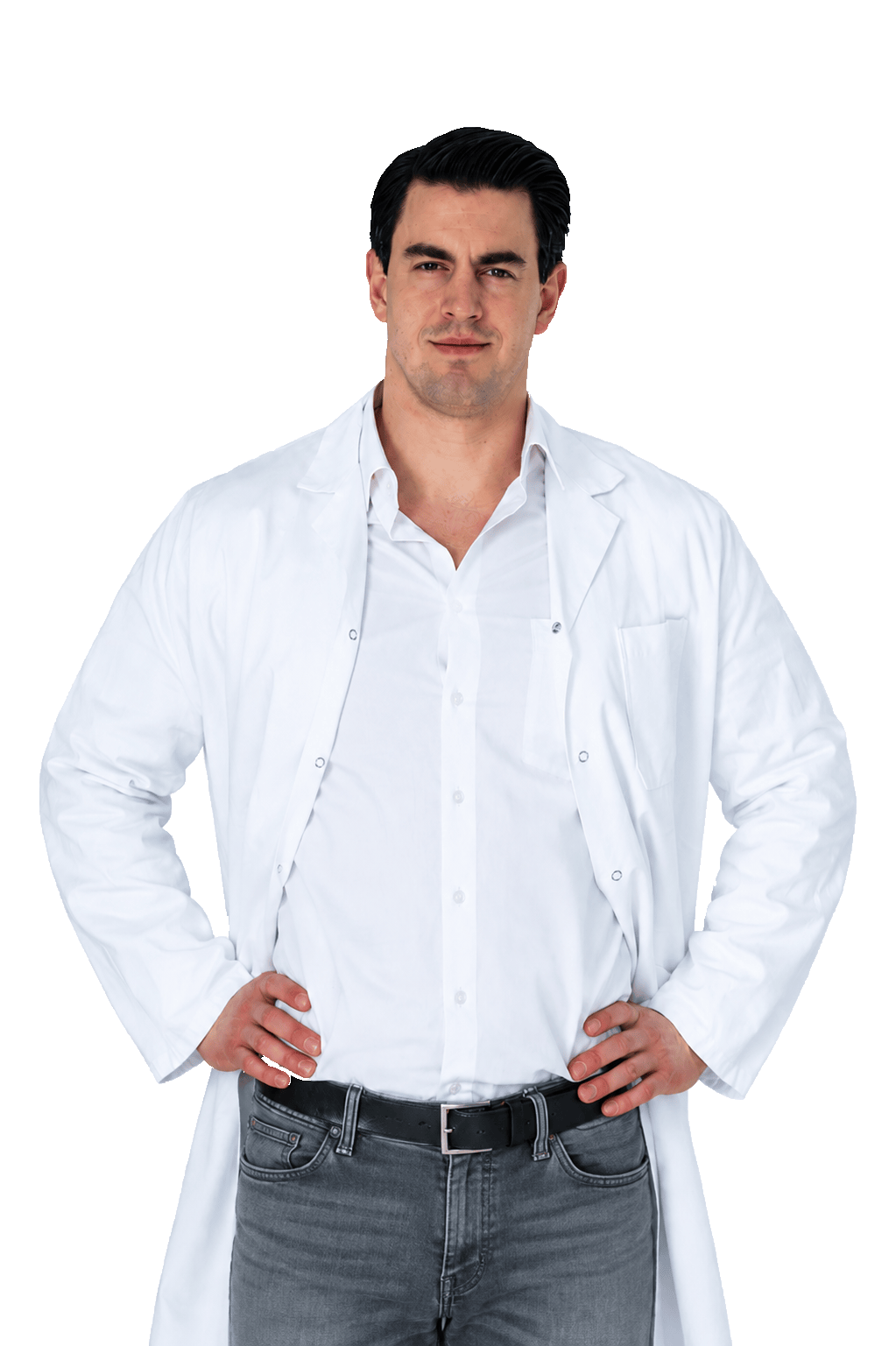
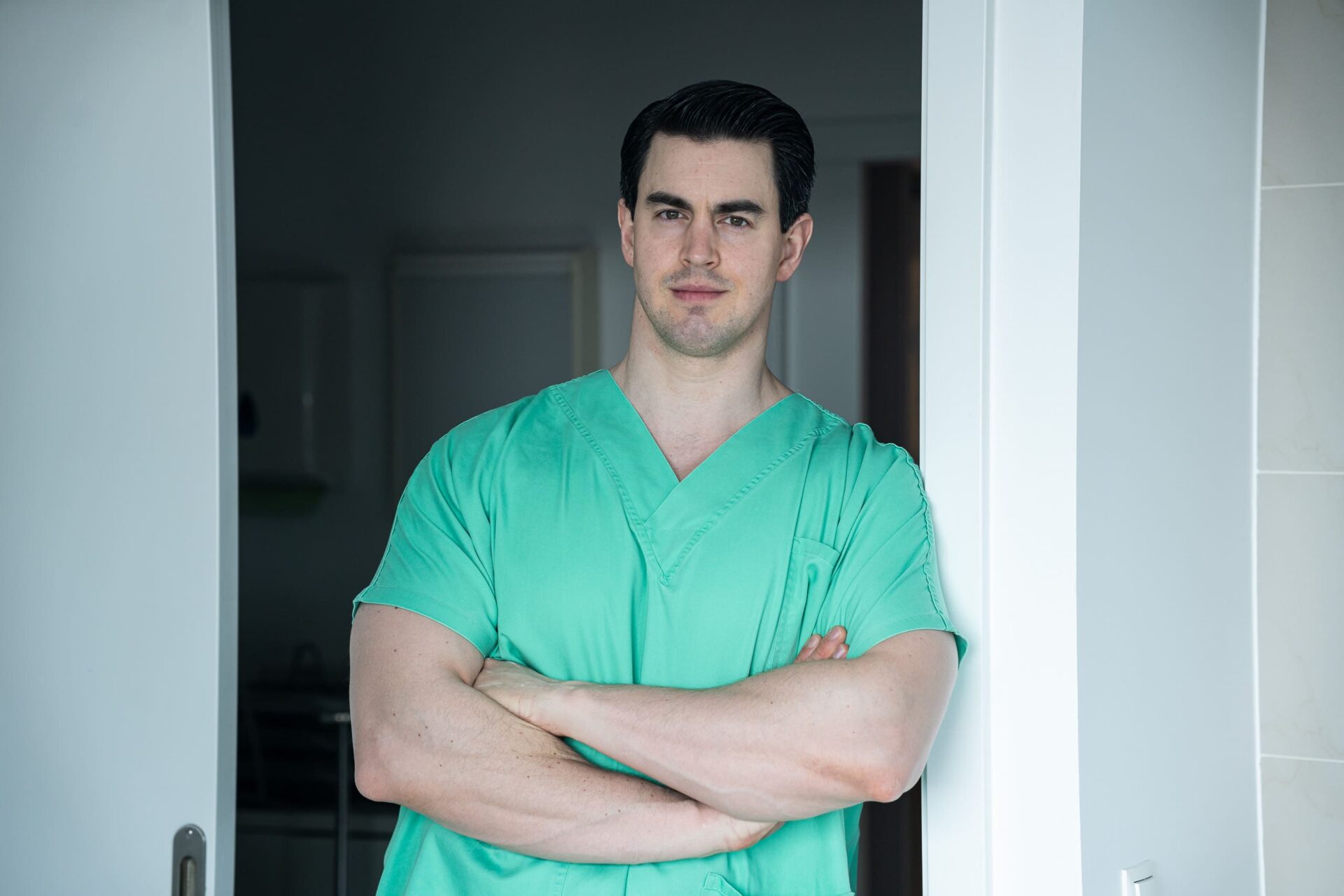
Consultant Dr Bernd Weiner, MBA
Specialist in General and Visceral Surgery
Dr Bernd Weiner studied medicine at the Medical University of Vienna and completed his specialist training at the Surgical Department of the Göttlicher Heiland Hospital in Vienna under Head of Department Dr Viktor Grablowitz. Further stages of his career took him to the University Clinics for Surgery in Heidelberg and at the AKH Vienna, before he spent many years as a Senior Consultant at Krankenhaus Göttlicher Heiland Wien, where he headed the hernia and reflux surgery department. Today, he is the founder and director of the Surgery & Endoscopy Centre 1160 Vienna, specialising in hernia, reflux, visceral, and endoscopic surgery.
Member of the Austrian Society of Surgery (ÖGCH), the Austrian Society of Gastroenterology and Hepatology (ÖGGH), the German Hernia Society (DHG), and the German Hernia Care Society (DHCH).