Gentle Rectal Examination in Vienna
Expertise
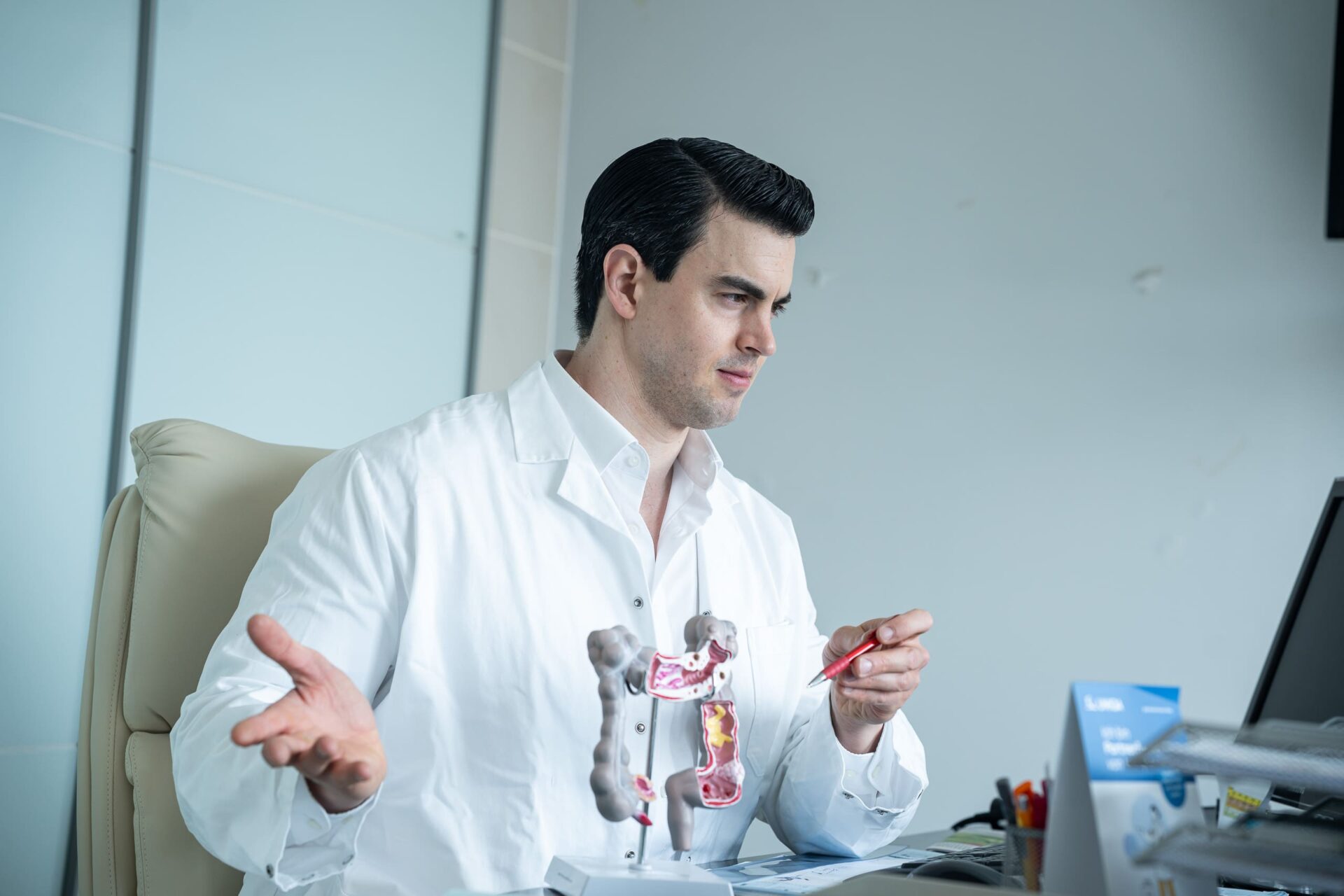
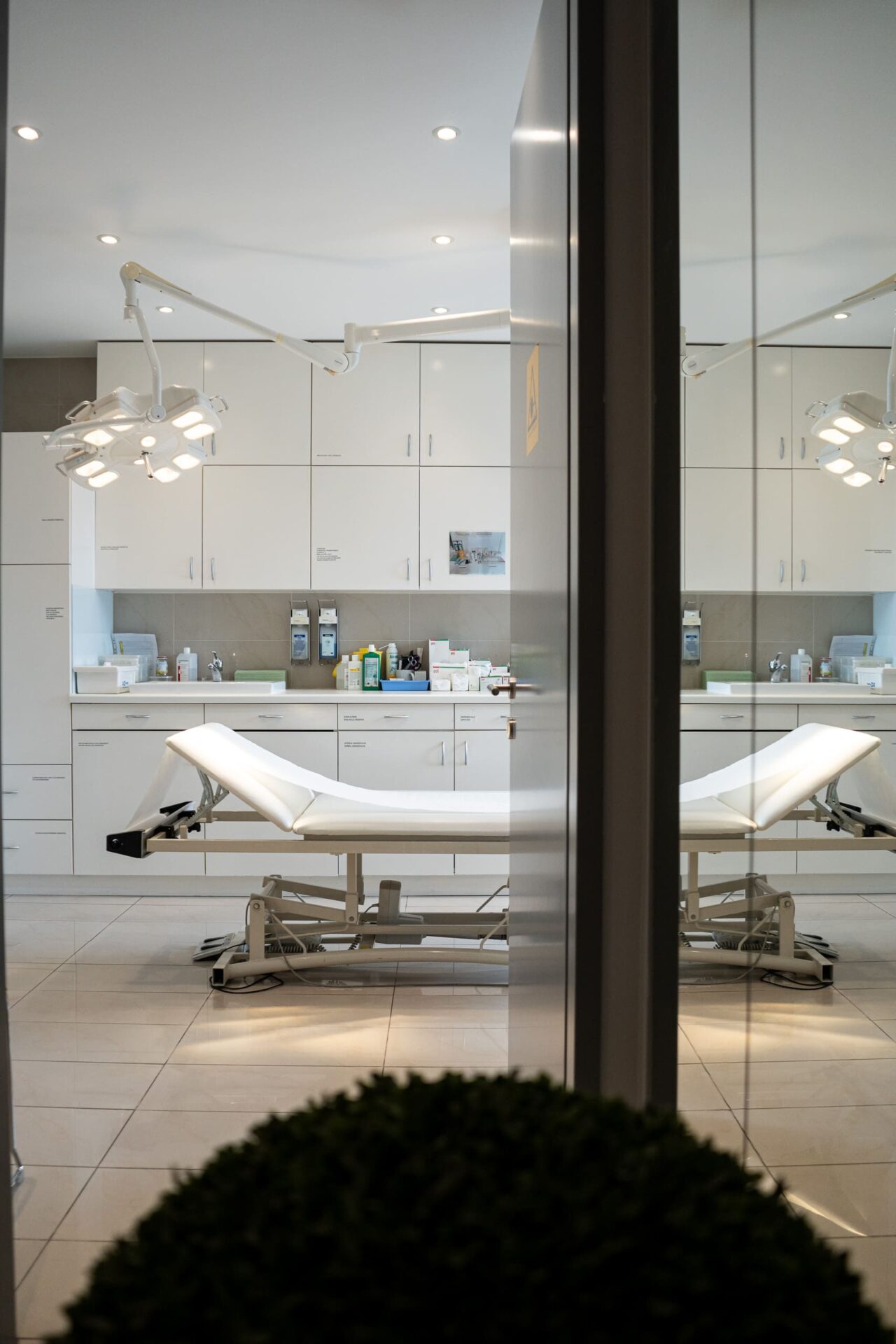
Rectoscopy is an important, gentle examination for assessing complaints in the rectal area. At the Surgery & Endoscopy Centre 1160 in Vienna, we offer you a gentle and precise rectal examination, characterised by discreet, professional and individual care.
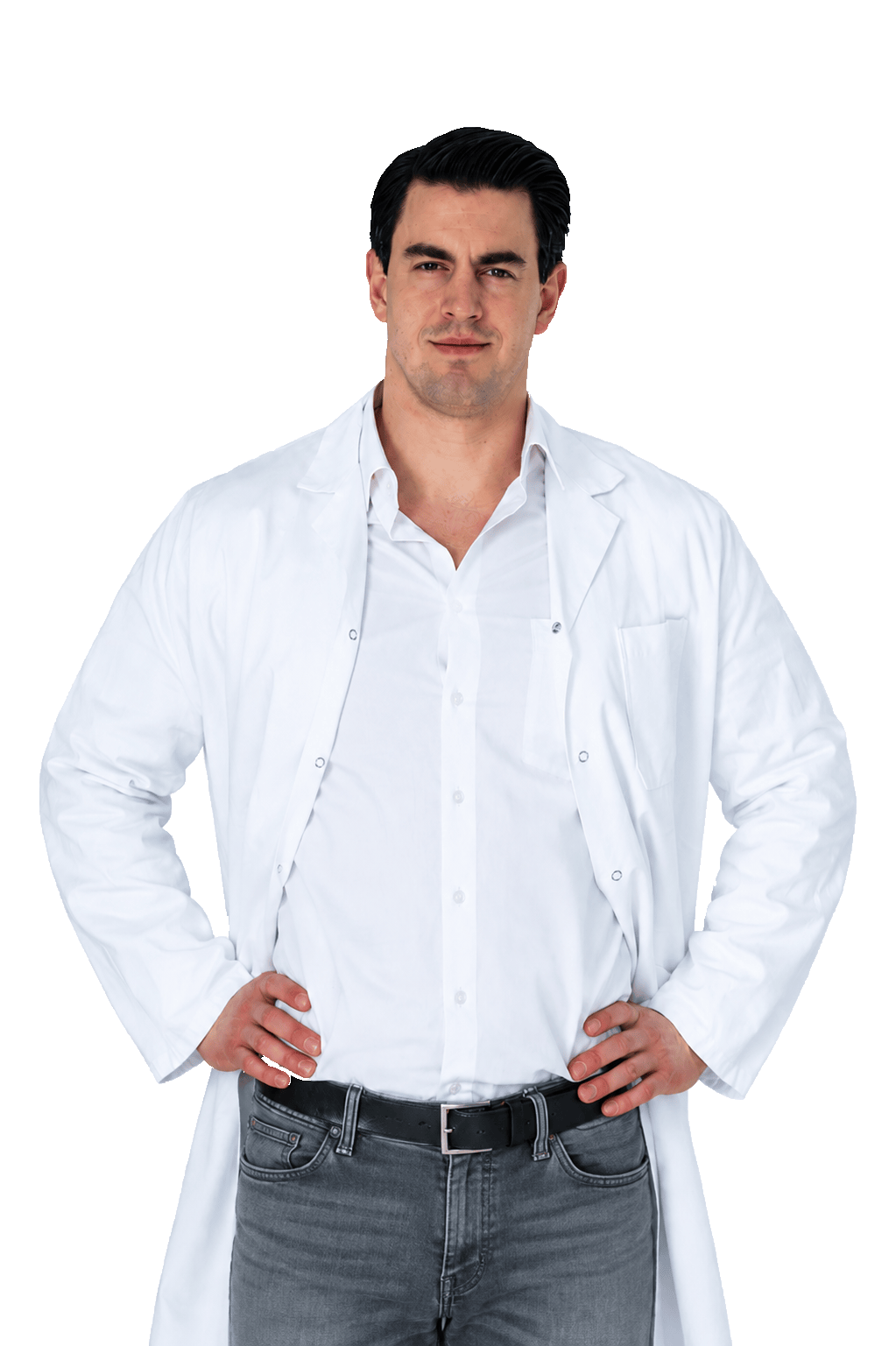
As a surgeon, Dr Bernd Weiner at the Surgery & Endoscopy Centre 1160 offers you individual consultation and personal care, for a pleasant, stress-free treatment process. On request, the rectal examination in Vienna can be performed under gentle sedation.
What is a rectoscopy?
Rectoscopy – also known as a rectal examination – is a procedure for examining the last section of the large bowel (rectum). A short, rigid or flexible instrument (rectoscope) is carefully inserted through the anus to assess the lining of the rectum.
This examination enables the diagnosis of:
- Haemorrhoids
- Anal fissures
- Polyps or tumours
- Inflammatory changes
- Causes of bleeding or pain in the anal area
A rectoscopy in Vienna is a quick, painless procedure with high diagnostic value. The examination reliably helps diagnose rectal cancer, inflammation, protrusions and fistula tracts, bowel polyps or haemorrhoids. In the next step, Dr Bernd Weiner will advise you in detail on the recommended treatments and, if necessary, carry them out directly on an outpatient basis at the practice or, if required, as an inpatient in hospital.
When should you have a rectoscopy?
A rectal examination in Vienna is particularly advisable when the following symptoms occur:
- Blood in the stool or on toilet paper
- Itching, burning or discharge in the anal area
- Pain during bowel movements
- A feeling of pressure or a foreign body sensation
- Suspected haemorrhoids or anal fissures
- Unexplained weight loss or chronic iron deficiency
Rectoscopy is also an important tool for screening or follow-up checks after surgical procedures in the rectal area.
Rectoscopy – Preparation & Procedure
Preparation for a rectoscopy is straightforward and does not require extensive bowel cleansing. Usually, a small enema on the day of the examination is enough to reliably empty the rectum and ensure clear visibility during the procedure. Before the examination begins, a detailed preliminary consultation takes place, in which Dr Bernd Weiner explains the exact procedure, answers any questions and, if desired, offers gentle sedation.
For the examination itself, the patient is placed in a comfortable position, usually lying on their side with their legs slightly drawn up. The instrument used, known as a rectoscope, is a slim tube that allows a precise assessment of the rectal lining.
During the rectoscopy, the doctor briefly asks the patient to push gently – similar to during a bowel movement – to ease the natural opening of the anal canal. Next, air is introduced into the rectum to gently expand the lining and ensure optimal visibility. This may cause a temporary feeling of pressure or the urge to pass stool, which is entirely harmless. The lining is then thoroughly examined, and if necessary, tissue samples can be taken or minor therapeutic measures – such as rubber band ligation for haemorrhoids – can be carried out directly.
The rectoscopy in Vienna usually takes only a few minutes. After the examination, the air introduced is released again and the rectoscope is gently removed. Thanks to the modern technology and calm atmosphere at the Surgery & Endoscopy Centre 1160, the entire procedure is stress-free, discreet and virtually painless for patients.
Why have a rectoscopy with Dr Weiner?
At the Surgery & Endoscopy Centre 1160, you as a person are at the centre of our care. As an experienced surgeon specialising in proctology, I offer you expert, compassionate care and precise diagnostics in a pleasant environment.
Your benefits at a glance:
- Individual consultation & personal care
- Modern technology for reliable diagnoses
- Outpatient treatment at the practice
- Experience in treating haemorrhoids & rectal conditions
The rectal examination in Vienna is carried out discreetly and professionally at our centre for surgery and endoscopy.
What conditions can be detected with a rectoscopy?
A rectoscopy is suitable for diagnosing haemorrhoids, polyps, anal fissures, inflammation and even malignant changes in the rectum.
How does a rectoscopy work?
The examination takes only a few minutes and is carried out lying on your side. Anaesthesia is usually not necessary, though light sedation is available on request.
What do I need to know before a rectoscopy?
Preparing for a rectoscopy is straightforward – an enema on the day of the examination is usually sufficient. You do not need to fast beforehand.
Is a rectoscopy painful?
No – thanks to the careful insertion of the rectoscope and a relaxed position, the examination is usually pain-free and well tolerated.
Consultant Dr Bernd Weiner, MBA
Specialist in General and Visceral Surgery
Dr Bernd Weiner studied medicine at the Medical University of Vienna and completed his specialist training at the Surgical Department of the Göttlicher Heiland Hospital in Vienna under Head of Department Dr Viktor Grablowitz. Further stages of his career took him to the University Clinics for Surgery in Heidelberg and at the AKH Vienna, before he spent many years as a Senior Consultant at Krankenhaus Göttlicher Heiland Wien, where he headed the hernia and reflux surgery department. Today, he is the founder and director of the Surgery & Endoscopy Centre 1160 Vienna, specialising in hernia, reflux, visceral, and endoscopic surgery.
Member of the Austrian Society of Surgery (ÖGCH), the Austrian Society of Gastroenterology and Hepatology (ÖGGH), the German Hernia Society (DHG), and the German Hernia Care Society (DHCH).