
Gentle Treatment of Anal Fissures and Fistulas
Expertise
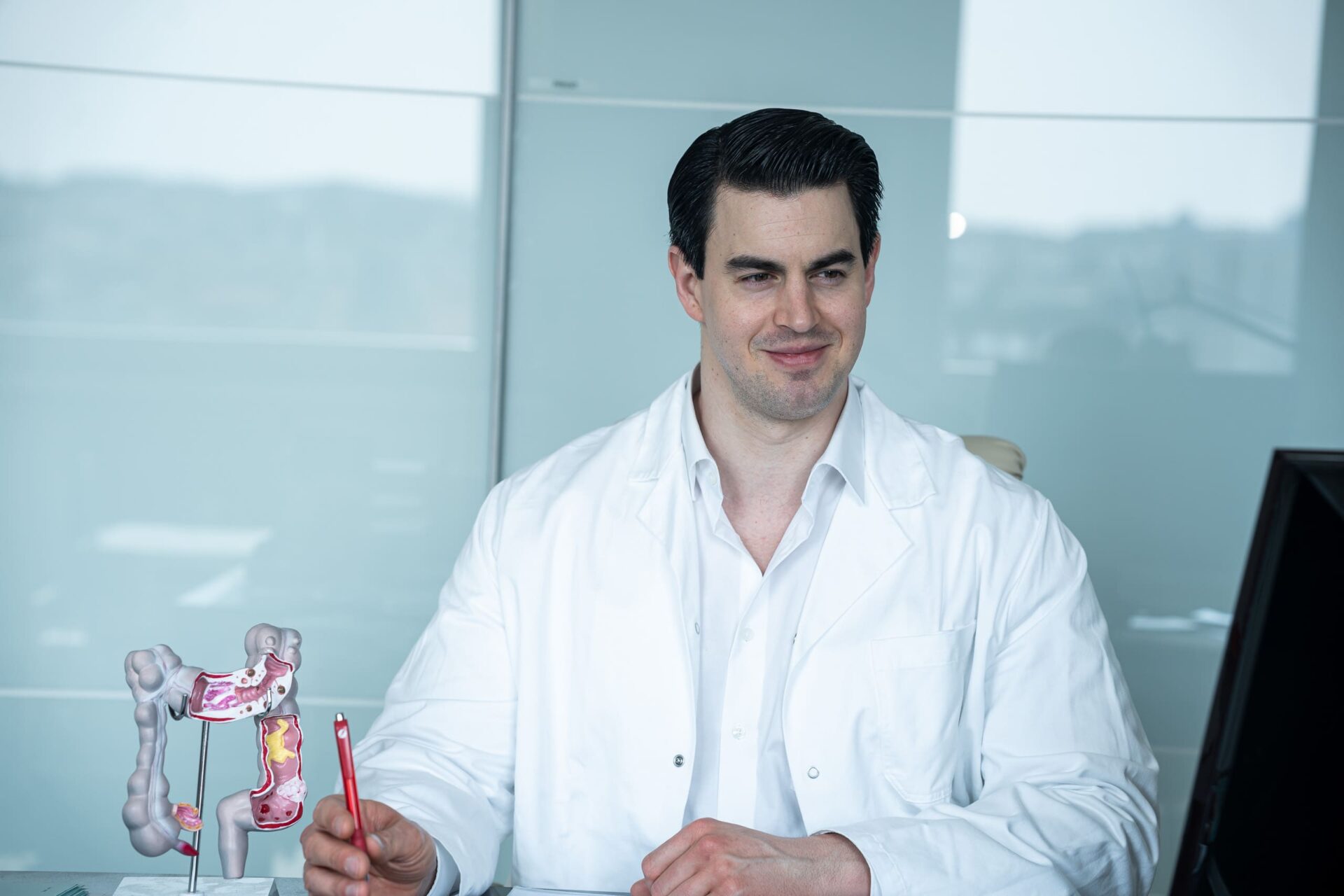
Anal fissures and anal fistulas are common conditions in the anal area that can be extremely uncomfortable for those affected. At the Surgery & Endoscopy Centre 1160, Dr Bernd Weiner, an experienced specialist in surgery, offers comprehensive and discreet care for the diagnosis and treatment of these conditions.
What Are Anal Fissures and Anal Fistulas?
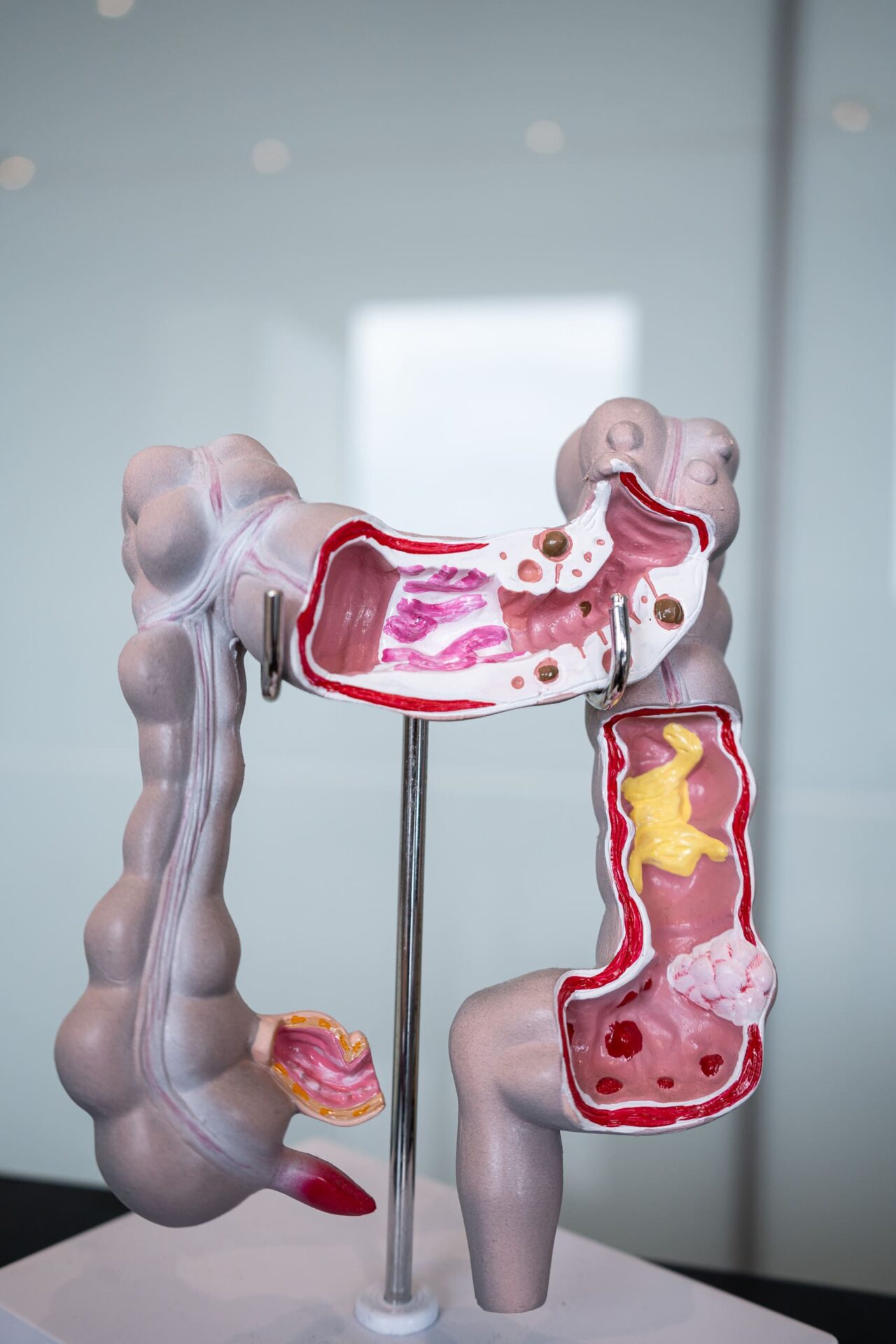
An anal fissure is a painful tear in the skin or mucous membrane around the anus, which typically occurs when passing hard stools or with chronic constipation. Symptoms of an anal fissure include stinging pain during and after bowel movements, itching, and light, bright red bleeding.
An anal fistula, on the other hand, is an abnormal, inflamed channel that runs from the anal canal to the skin in the anal region. Anal fistulas often develop as a result of anal abscesses or inflammation of the anal glands. Typical symptoms include persistent itching, oozing, discharge of pus, and occasionally pain in the anal area.
When Should Surgery Be Considered?
While acute anal fissures can often be treated with conservative methods such as ointments, sitz baths and dietary changes, chronic anal fissures or anal fistulas frequently require surgical intervention. Surgery is particularly indicated when:
Surgical Procedure
Surgical treatment of anal fissures or anal fistulas is usually performed under local anaesthesia or general anaesthesia. In the case of an anal fissure, the altered tissue is removed to promote healing. In the case of anal fistulas, the fistula tract is opened or removed, taking care to preserve the sphincter muscle. In some cases, a seton (draining thread) may be inserted to gradually divide the fistula tract while preserving continence.
Why Choose Treatment at the Surgery & Endoscopy Centre 1160?
At the Surgery & Endoscopy Centre 1160, you can expect a calm and trusting atmosphere – which is especially important when dealing with sensitive issues such as anal fissures or anal fistulas.
As your specialist, Dr Bernd Weiner deliberately takes the time for a thorough medical history to fully understand your symptoms and plan an individually tailored therapy.
With the help of modern technology and many years of experience in proctology, a precise diagnosis and targeted treatment – whether conservative or surgical – can be achieved. Smaller procedures are performed gently on an outpatient basis at our practice, while more complex cases can receive inpatient treatment at our partner hospital.
How long should I avoid sitting after the operation?
After the operation, it is recommended to avoid prolonged sitting for a few days. Sitting briefly is usually possible again after 1–2 days, but prolonged sitting should only resume after consulting your treating doctor.
What should I keep in mind after the operation?
Important measures after the operation include:
- regular sitz baths to support wound healing,
- avoiding hard stools through a fibre-rich diet and adequate fluid intake,
- following the recovery period and check-up appointments prescribed by your doctor.
Can an anal fissure heal on its own?
Acute anal fissures can sometimes heal on their own, especially with adjustments to lifestyle habits. Chronic anal fissures, however, often require targeted medical treatment.
How long does healing take after an anal fistula operation?
Healing time varies depending on the extent of the procedure and individual wound healing. As a rule, you should expect a healing period of several weeks.
Is the operation painful?
The procedure itself is carried out under anaesthetic and is pain-free. Postoperative pain can occur, but is usually well controlled with suitable pain medication.
For personal advice and individual treatment, we are happy to help you at Surgery & Endoscopy Centre 1160. Book an appointment with Dr Bernd Weiner, your specialist for anal fissures and anal fistulas in Vienna.
Consultant Dr Bernd Weiner, MBA
Specialist in General and Visceral Surgery
Dr Bernd Weiner studied medicine at the Medical University of Vienna and completed his specialist training at the Surgical Department of the Göttlicher Heiland Hospital in Vienna under Head of Department Dr Viktor Grablowitz. Further stages of his career took him to the University Clinics for Surgery in Heidelberg and at the AKH Vienna, before he spent many years as a Senior Consultant at Krankenhaus Göttlicher Heiland Wien, where he headed the hernia and reflux surgery department. Today, he is the founder and director of the Surgery & Endoscopy Centre 1160 Vienna, specialising in hernia, reflux, visceral, and endoscopic surgery.
Member of the Austrian Society of Surgery (ÖGCH), the Austrian Society of Gastroenterology and Hepatology (ÖGGH), the German Hernia Society (DHG), and the German Hernia Care Society (DHCH).