Rectal Examination with Professional Expertise and Individual Care in Vienna 1160
Expertise
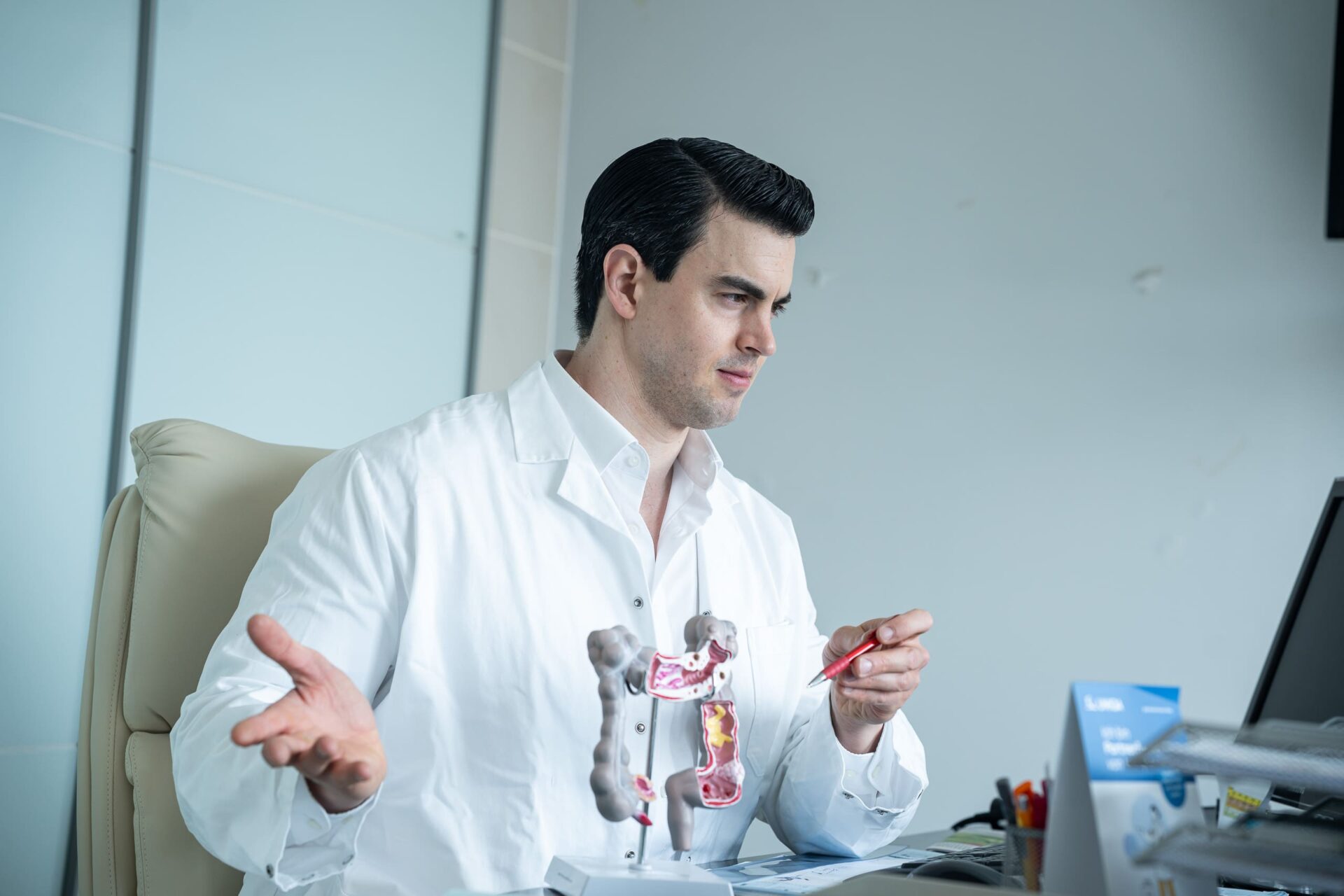
Proctoscopy at the Surgery & Endoscopy Centre 1160, under the direction of Dr Bernd Weiner, your experienced proctologist in Vienna, offers you a thorough and compassionate examination and care for symptoms in the rectal area. We take the time you need for your concerns and develop individual treatment plans to make the entire process as comfortable as possible for you.
What Is a Proctoscopy?
Proctoscopy, also known as a rectal examination, is a diagnostic method for examining the anal canal and the lower rectum. During this procedure, a short, rigid instrument known as a proctoscope is carefully inserted into the anus to check the mucous membrane for changes such as haemorrhoids, inflammation or other conditions.
When Should a Proctoscopy Be Performed?
A proctoscopy is recommended for the following symptoms:
- Bleeding from the rectum: Visible blood on toilet paper or in the stool.
- Persistent itching or pain in the anal area: Uncomfortable sensations that persist over a longer period.
- Changes in bowel movements: Unusual bowel habits or stool consistency.
- Palpable lumps or swelling: Abnormalities in the area of the anus.
These symptoms may indicate haemorrhoids, fissures, fistulas or other rectal conditions, which can be detected and treated at an early stage through a proctoscopy.
Preparation and Procedure for a Proctoscopy
Preparation for a proctoscopy is straightforward. Usually, it is sufficient to empty the bowel naturally around an hour before the examination. If this is not possible, a laxative in the form of an enema or suppository can be given to cleanse the rectum.
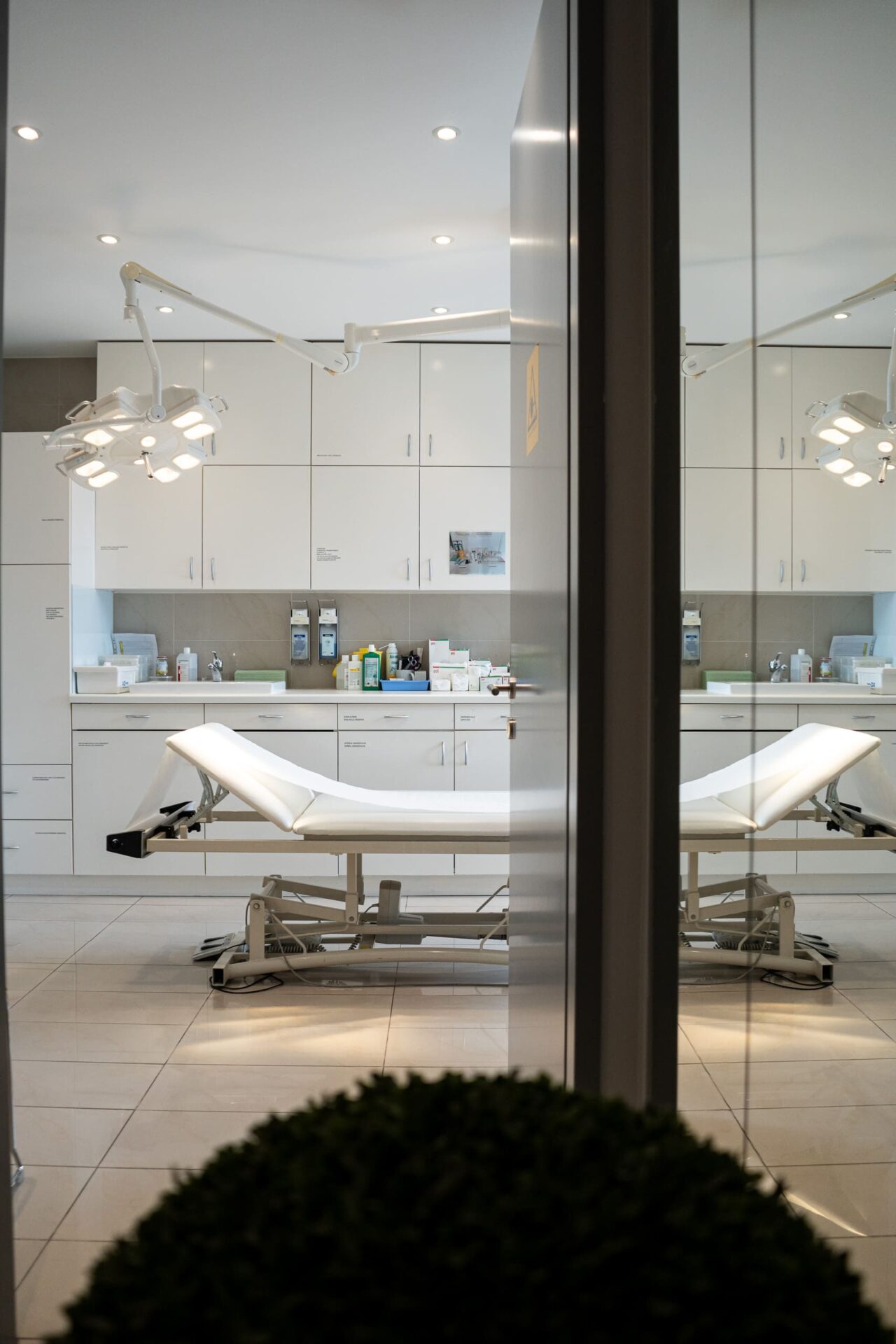
During the examination, you lie in a position that is comfortable for you, for example on your side with your legs drawn up. Dr Bernd Weiner carefully inserts the lubricated proctoscope into the anal canal. The built-in light source allows the mucous membrane of the anal canal and lower rectum to be assessed precisely. If necessary, tissue samples can be taken during the proctoscopy, or minor procedures, such as the treatment of haemorrhoids, can be carried out directly.
Why Choose a Rectal Examination with Dr Bernd Weiner?
At the Surgery & Endoscopy Centre 1160, you benefit from individual care in a trusting atmosphere. At our practice, we take sufficient time for your concerns and develop tailored treatment plans that are precisely matched to your symptoms and needs. Our patients are treated without time pressure, yet always with the highest level of medical care.
With the help of state-of-the-art technology, we use advanced techniques for proctoscopy that allow for a gentle and precise examination. Dr Bernd Weiner has extensive experience in proctology as well as in treating a wide range of rectal conditions. Depending on the type and extent of the symptoms, the proctoscopy is performed on an outpatient basis directly at our practice or, if necessary, as an inpatient procedure at a partner hospital.
What is the difference between a proctoscopy and a colonoscopy?
A proctoscopy examines the anal canal and the lower section of the rectum using a short, rigid instrument. A colonoscopy, by contrast, allows examination of the entire colon and requires more extensive preparation.
Is a proctoscopy painful?
A proctoscopy is usually experienced as uncomfortable but not painful. When carried out properly, the examination is well tolerated.
Can haemorrhoids be detected with a proctoscopy?
Yes, proctoscopy is an effective method for diagnosing haemorrhoids and allows their extent and severity to be precisely determined.
How long does the examination take?
A proctoscopy usually takes only a few minutes. The entire appointment, including the initial consultation and follow-up discussion, takes around 20 to 30 minutes.
What does aftercare look like after a proctoscopy?
In most cases, no special measures are needed after a proctoscopy. If tissue samples were taken or minor procedures carried out during the examination, Dr Bernd Weiner will discuss the next steps with you and give you individual recommendations for aftercare.
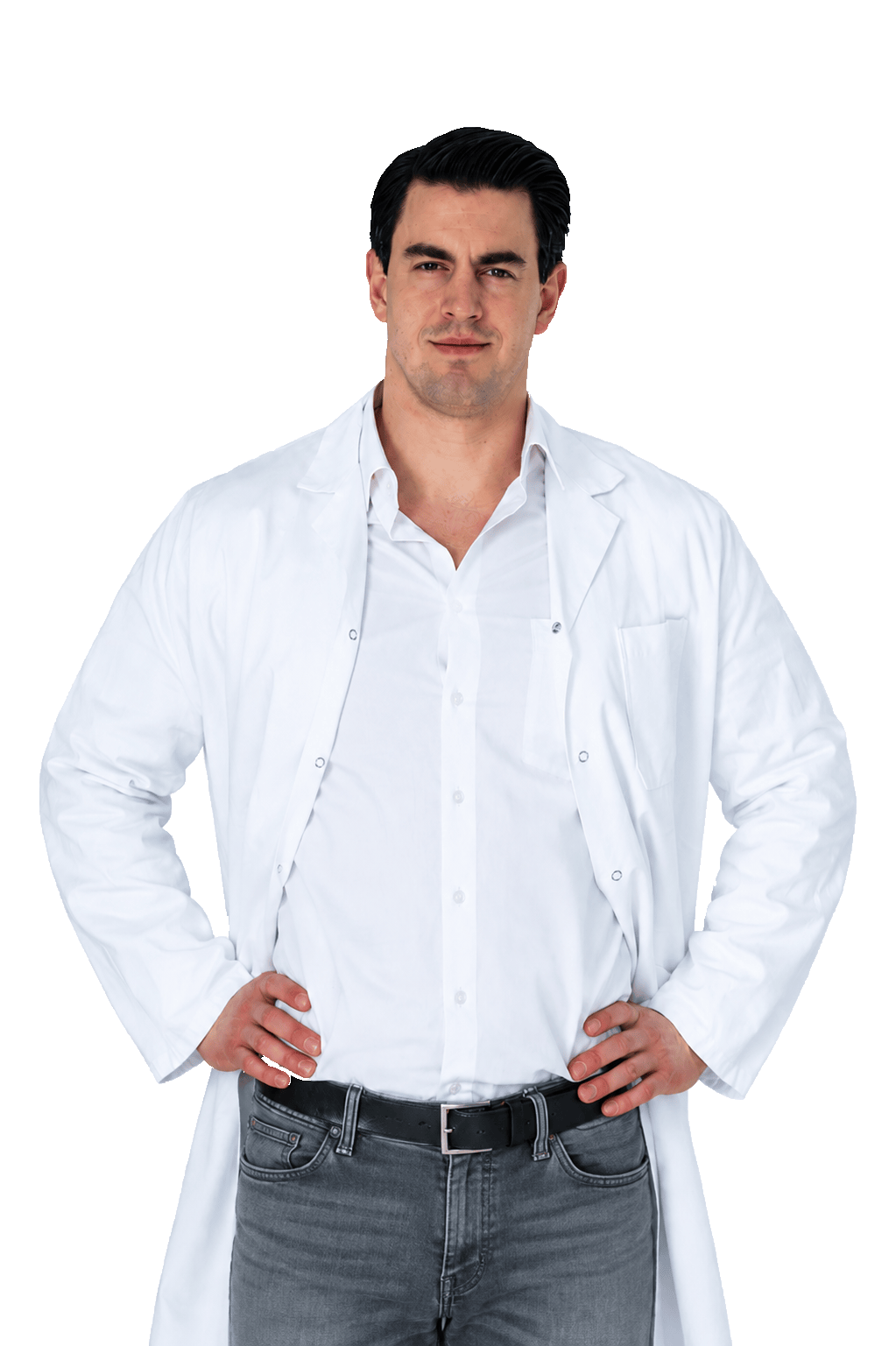
Consultant Dr Bernd Weiner, MBA
Specialist in General and Visceral Surgery
Dr Bernd Weiner studied medicine at the Medical University of Vienna and completed his specialist training at the Surgical Department of the Göttlicher Heiland Hospital in Vienna under Head of Department Dr Viktor Grablowitz. Further stages of his career took him to the University Clinics for Surgery in Heidelberg and at the AKH Vienna, before he spent many years as a Senior Consultant at Krankenhaus Göttlicher Heiland Wien, where he headed the hernia and reflux surgery department. Today, he is the founder and director of the Surgery & Endoscopy Centre 1160 Vienna, specialising in hernia, reflux, visceral, and endoscopic surgery.
Member of the Austrian Society of Surgery (ÖGCH), the Austrian Society of Gastroenterology and Hepatology (ÖGGH), the German Hernia Society (DHG), and the German Hernia Care Society (DHCH).